


Today, many people are sick and searching for answers. They are told their symptoms are random, age-related, stress-related, genetic, autoimmune, hormonal, or “just inflammation.” And sometimes those explanations are partly true. But there is another layer we must begin talking about more honestly: the environment we live in.
The air we breathe, the water we drink, the food we eat, the buildings we sleep in, and the products we place on and around our bodies are no longer neutral. They carry a chemical, biological, and toxic load that the human body was never designed to process every single day.
Environmental illness asks a deeper question:
What if the body is not broken?What if the body is reacting?What if many chronic symptoms are not mysterious at all, but intelligent warning signals from a body overwhelmed by mold, heavy metals, pesticides, plastics, parasites, chemicals, polluted air, contaminated water, and hidden toxins in our homes?
Environmental health is not a fringe subject. The CDC describes environmental health as the work of preventing illness, disability, and death from contact between people and environmental hazards. The CDC also tracks environmental factors such as air quality, water quality, contaminants, and health outcomes because these exposures matter. (CDC)
We are living in a time when disease must be understood through a wider lens. It is not just genetics. It is not just lifestyle. It is not just diet. It is the terrain of the body meeting the terrain of the world.
Toxins can enter through the lungs, skin, gut, sinuses, bloodstream, and nervous system. They may come from outdoor air pollution, indoor mold, contaminated water, pesticide residues, mercury, lead, arsenic, flame retardants, PFAS, plastics, cleaning products, personal care products, building materials, and even chronic microbial exposures. Air pollution alone is associated with lung damage, asthma-related emergency visits, hospital visits, and premature death. (CDC)
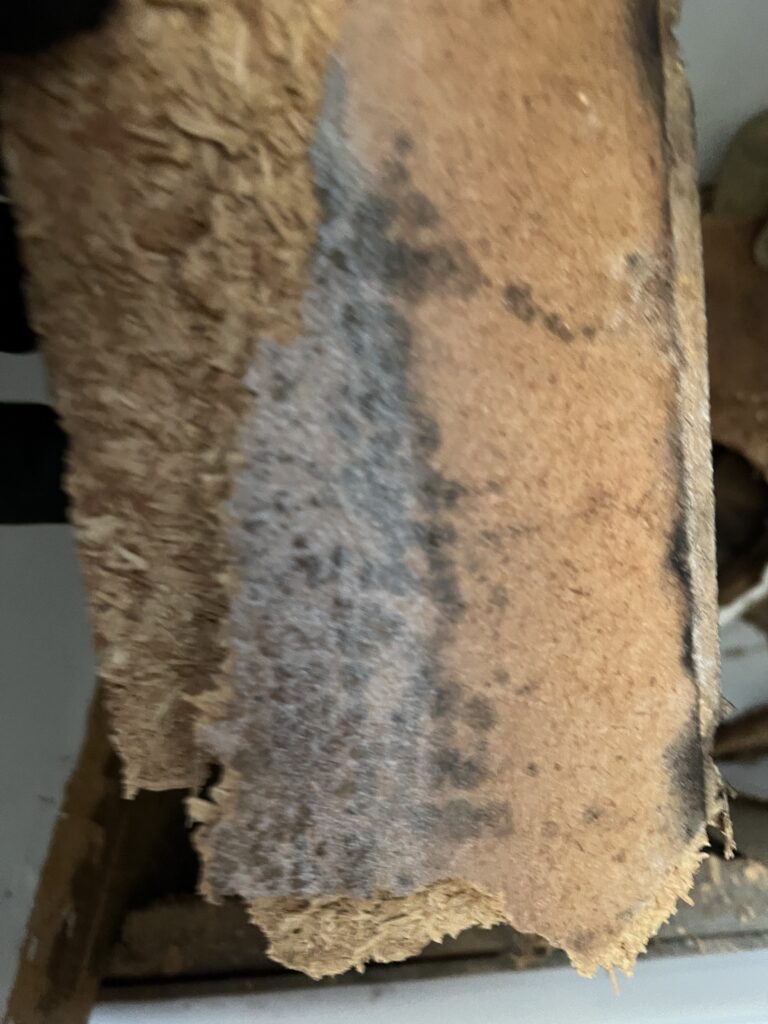
Mold is one of the most overlooked environmental triggers because it often hides. It grows behind walls, under sinks, beneath flooring, inside HVAC systems, in damp bathrooms, in water-damaged buildings, and in places people rarely inspect. You may not see it, but the body may feel it. For some people, especially those with immune vulnerability, mold exposure can become more than an allergy. It can become a full-body inflammatory burden.
Heavy metals are another root-cause layer. Lead, mercury, arsenic, cadmium, and aluminum can accumulate over time and interfere with the nervous system, immune system, hormones, mitochondria, brain function, and detox pathways. Endocrine-disrupting chemicals are now a major research focus because they can interfere with hormone signaling and may play a role in health and disease. (NIEHS)
Microplastics are part of this modern toxic story as well. We drink them, eat them, breathe them, and absorb chemicals associated with plastic use. They remind us that what happens to the planet does not stay outside the body. The health of the Earth and the health of the human body are not separate systems.
Parasites and other chronic infections can also be part of the environmental illness conversation. They may come through contaminated food, water, soil, animals, travel, or weakened immune defenses. Not every symptom is caused by parasites, but when the body is already burdened by toxins, poor drainage, immune stress, or gut disruption, microbial imbalance can become another layer of disease.
This is why root-cause healing must look at the whole picture.
What is in the air?
What is in the water?
What is in the food?
What is in the home?
What is stored in the tissues?
What is the immune system reacting to?
What is the liver trying to process?
What is the nervous system trying to survive?
Many people are not lazy, dramatic, anxious, or broken. They are environmentally overloaded. Their symptoms may be the body’s attempt to protect them, warn them, and keep them alive.
The future of healing must include environmental medicine, functional medicine, public health, nervous system regulation, clean housing, safer food, cleaner water, toxin reduction, and compassion for people whose illnesses are not always visible.
We cannot separate chronic disease from the world we live in.
The body tells the truth.
And sometimes, the root cause is not inside the person alone.
Sometimes, the root cause is the environment the person has been forced to survive in.
Environmental Illness Photos: When the Body Tells the Truth
The photos above show mold fungus hidden beneath a bathroom sink. What grows unseen in our homes can become more than a household problem — it can become a biological burden.
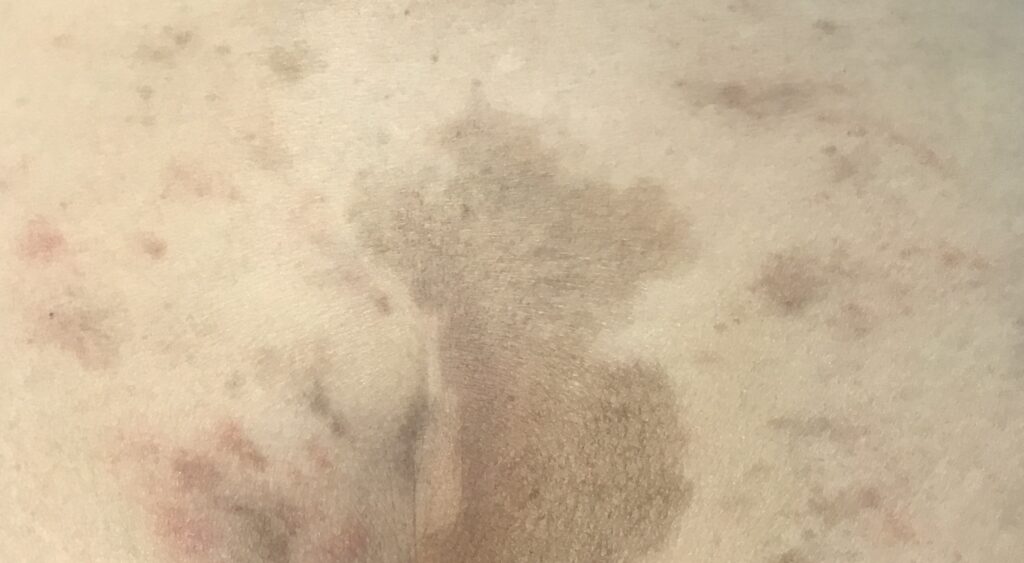
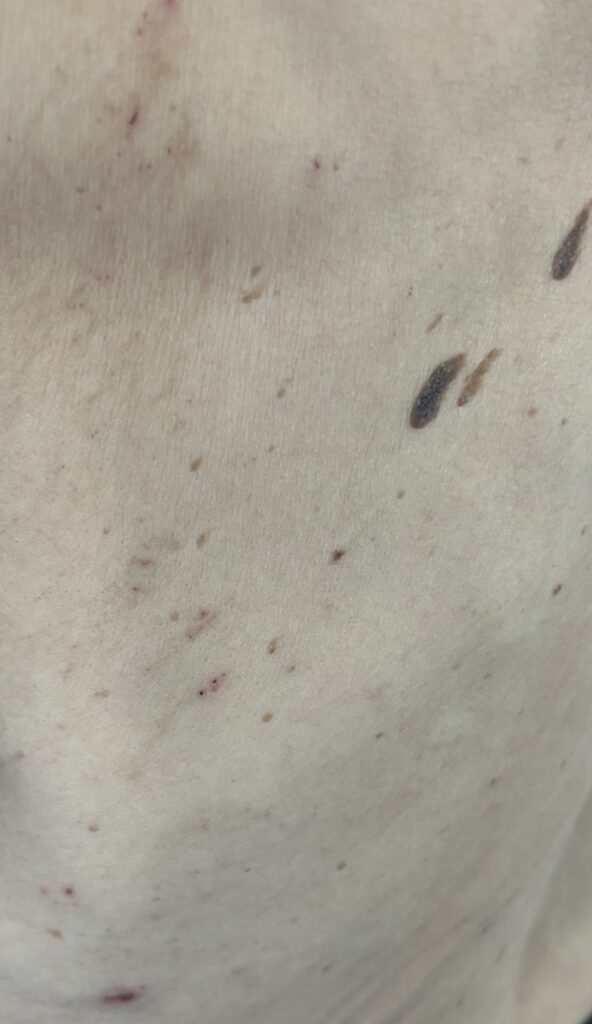
The skin can become one of the body’s messengers, revealing irritation, inflammation, or immune overload from toxic exposure. For some, environmental toxins may move beyond the surface, affecting the blood, immune system, nervous system, and the overall terrain of the body.
These photos tell part of the story: while mold may hide, the body often tells the truth.