

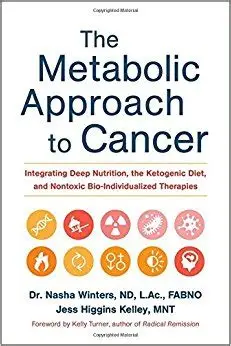
As a health and wellness coach, I highly recommend The Metabolic Approach to Cancer by Dr. Nasha Winters and Jess Higgins Kelley and Radical Remission by Dr. Kelly A. Turner. These books approach cancer from different but complementary perspectives. One focuses primarily on the biological environment of the body, while the other explores the lifestyle, emotional, social, and spiritual characteristics found among people who experienced unexpected recoveries.
The Metabolic Approach to Cancer
The Metabolic Approach to Cancer: Integrating Deep Nutrition, the Ketogenic Diet, and Nontoxic Bio-Individualized Therapies presents cancer as more than an isolated mass of abnormal cells. The authors encourage readers to examine the internal environment—or “terrain”—in which illness develops.
At the center of the book is the idea that cancer may be influenced by multiple interacting conditions, including blood-sugar regulation, inflammation, immune function, hormones, digestion, environmental exposures, stress, sleep, genetics, and emotional well-being. The authors organize these areas into what they call the Terrain Ten.
The ten areas are:
- Genetics, epigenetics, and nutrigenomics
- Blood-sugar balance
- Toxic-burden management
- Microbiome and digestive health
- Immune-system function
- Inflammation and oxidative stress
- Circulation, angiogenesis, and metastasis
- Hormonal balance
- Stress levels and biological rhythms
- Mental and emotional well-being
Rather than suggesting that every person follow exactly the same program, the book emphasizes bio-individuality. Two people with the same type of cancer may have very different nutritional needs, medical histories, environmental exposures, genetic vulnerabilities, and treatment responses.
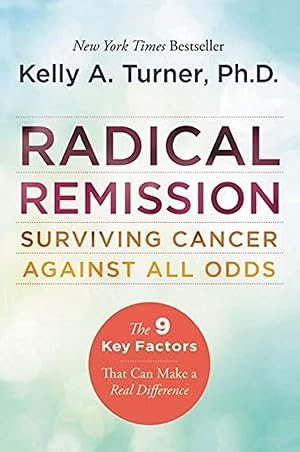
Radical Remission
In Radical Remission: Surviving Cancer Against All Odds, Dr. Kelly Turner investigates people who experienced cancer remissions that were statistically unexpected. Her research included interviews with survivors and holistic practitioners, along with the examination of more than one thousand remission cases.
Turner identified nine recurring factors:
- Radically changing the diet
- Taking control of one’s health
- Following intuition
- Using herbs and supplements
- Releasing suppressed emotions
- Increasing positive emotions
- Embracing social support
- Deepening spiritual connection
- Having strong reasons for living
The most meaningful contribution of this book may be its restoration of personal agency. A cancer diagnosis can make a person feel that life has been taken over by test results, appointments, medical terminology, and treatment decisions. Turner’s work reminds readers that they still have choices concerning nourishment, relationships, emotional expression, spirituality, daily routines, and the meaning they give to their lives.
The book also expands the concept of healing. Healing is not presented only as the disappearance of disease. It may also involve repairing relationships, asking for help, processing grief, creating healthier boundaries, reconnecting with purpose, or learning to experience joy even during uncertainty.
How the Books Complement Each Other
Together, these books create a broader picture of supportive cancer care.
The Metabolic Approach to Cancer asks:
What is happening within the biological environment of the body?
Radical Remission asks:
What changes in a person’s inner life, relationships, choices, and sense of purpose may support healing?
For someone facing cancer, these books are valuable because they remind us that while we may not control every outcome, there are often meaningful ways to support the body, calm the nervous system, strengthen relationships, nourish hope, and participate actively in the life that is still unfolding.